




Faja Beginner ? ⇨ Go up 1 size!
The Limited Ultra Snatch | Molding Stage 3 Faja Shorts for Women | Bralette Included
WHY WE LOVE IT
Meet the BDY Stage 3 Ultra High-Waisted Faja Shorts: high-compression shapewear designed for women transitioning into long-term body maintenance after liposuction, Lipo 360, tummy tuck (TT), Brazilian Butt Lift (BBL) and other body-contouring procedures. With an ultra-high-waisted silhouette, high-to-extra-high compression and a curvy fit, these shorts provide firm abdominal support and waist-defining shaping in a versatile shorts-style garment. Designed for everyday wear after your initial recovery period, once cleared by your surgeon.
Highlights:
5/5 Compression
•
Ultra-High Waist
•
Curvy Fit
•
Long-Term Shaping
HIGH TO EXTRA HIGH
5 / 5 BDY Compression Intensity
Maximum-intensity compression on the BDY 5-point scale, designed for firm abdominal shaping, waist definition and long-term support beyond initial recovery.
PRODUCT DETAILS
- Style
- Stage 3 Ultra High-Waisted Faja Shorts
- Compression
- High to Extra High, 5/5 BDY Compression Intensity
- Waist Coverage
- Ultra-high-waisted design for extended abdominal and waist coverage
- Fit
- Curvy, waist-defining silhouette
- Wear
- Long-term compression and everyday shaping, when medically appropriate
- Colors & Prints
- Assorted BDY colorways and limited-edition designs. Availability varies.
RETURNING EARLY 2027
Our Stage 3 collection is currently sold out. Select styles are expected to return in early 2027.
FIT & FABRIC
Curvy Fit: Designed to accommodate fuller hip-to-waist proportions while providing firm compression through the waist and abdomen.
Ultra-High Waist: Extended abdominal coverage designed to create a smooth, supported silhouette.
Compression Fabric: Firm, supportive stretch construction designed for high-to-extra-high shaping. Refer to the selected variant's product information for specific fabric details.
Sizing: Measure your natural waist and fullest hips, then follow the BDY size chart. Do not size down to increase compression.
THE BDY STAGE 2 DIFFERENCE
Our Stage 2 fajas are designed to fit with Stage 3-like compression when sized exactly as recommended. Explore our BDY faja collection to compare styles and coverage.
Find My Size
STEP 1. Provide Your Measurements
We Double-Check Every Customer's Size Selection
STEP 2. Choose Your Size & Add to Cart
Cognac Leopard
BDY Stage 3 Faja Size Chart
Faja Sizing Pro Tip: Faja brands have the ability to create their own size charts meaning one faja brand's size L is not equal to another brand's size L. Additionally, faja sizing is very different from regular clothing sizing - don't get discouraged by a larger-sounding faja size. Always follow the size chart.
How To Measure: Place soft measuring tape at the smallest point of your waist and widest point of your hips - helps to be in underwear in front of a mirror for this.
$209.00
Regular price
- Unit price
- per
Shipping calculated at checkout.


YOUR COMPRESSION. YOUR WAY.
STAGE 3 · LONG-TERM COMPRESSION · BODY MAINTENANCE
YOUR NEXT STAGE,
YOUR QUESTIONS ANSWERED.
Three months post-op or further along in your body-contouring journey? Explore common questions about Stage 3 fajas, long-term compression, maintaining your Lipo 360 or BBL results, and finding the right shapewear after recovery.
DID YOU KNOW? BDY STAGE 2 IS DIFFERENT.
EXPLORE BDY FAJAS ↗
Our Stage 2 fajas are designed to provide a Stage 3-like, high-to-extra-high compression fit when ordered exactly according to the BDY size chart. You don't necessarily need to switch stages just to achieve a firmer fit.
Do I still need to wear a faja 3 months after Lipo 360?
By three months after Lipo 360, many patients are transitioning out of their initial postoperative compression routine. However, recovery varies, and some surgeons recommend continued compression for specific concerns.
Once your surgeon clears you for regular shapewear, a Stage 3 faja can be an optional choice for long-term shaping and support. It is not medically necessary for everyone.
What is a Stage 3 faja, and when should I start wearing one?
Stage 3 fajas are commonly marketed as firm compression garments for later recovery and long-term body shaping. Unlike Stage 1 or Stage 2, Stage 3 is not a standardized medical classification.
Many women consider Stage 3 after approximately three months, but the right time depends on healing, swelling, comfort and surgeon approval.
What's the difference between Stage 2 and Stage 3 fajas?
Stage 2 fajas are typically associated with firmer postoperative compression, while Stage 3 garments are often positioned for long-term maintenance and shaping.
Here's what makes BDY different: Our Stage 2 fajas are designed to fit with Stage 3-like compression when purchased in the correct size according to our size chart.
Our Stage 3 shorts offer a different garment style with ultra-high-waisted coverage and high-to-extra-high compression, rather than simply being a mandatory upgrade from Stage 2.
Can I continue wearing my Stage 2 faja instead of buying Stage 3?
Absolutely, provided your garment still fits correctly and your surgeon has approved continued compression.
BDY Stage 2 fajas are intentionally designed for a firm, sculpting fit when sized exactly as recommended. Many customers may prefer to continue wearing their Stage 2 garment rather than switching to Stage 3 shorts.
Choose based on your coverage preferences, comfort and desired style, not the stage number alone.
Does wearing a faja long-term help maintain liposuction results?
Long-term shapewear can provide a smoother, more supported appearance while you're wearing it. However, there is limited evidence that wearing a faja indefinitely preserves fat-removal results.
Long-term liposuction outcomes are influenced by factors such as weight changes, aging, skin elasticity and lifestyle habits. Compression does not prevent future weight gain.
Can I stop wearing my faja after 3 months without ruining my results?
If your surgeon has cleared you to stop postoperative compression, discontinuing your faja does not automatically undo your liposuction or body-contouring results.
Some women continue wearing compression because they enjoy the support and smoother silhouette. At this stage, it can become a personal shapewear preference rather than a required recovery step.
Can I wear a Stage 3 faja every day after a BBL?
After your surgeon clears you for long-term shapewear, you may choose to wear a properly fitted Stage 3 garment regularly.
Following a BBL, pay particular attention to compression around fat-grafted areas. Avoid garments that create uncomfortable or excessive pressure over the buttocks.
Daily wear should remain comfortable and should not cause pain, numbness or skin irritation.
Will a Stage 3 faja make my waist smaller permanently?
Stage 3 compression can create a more defined waistline and smoother silhouette while worn, but it does not permanently reduce waist circumference or remove body fat.
BDY Stage 3 shorts are designed for firm waist and lower abdominal shaping, with an ultra-high-waisted fit that provides extended coverage.
Why is my stomach still swollen 3 to 6 months after liposuction?
Residual swelling can continue for several months after liposuction, particularly after extensive procedures or combination surgeries.
However, persistent swelling can also have other causes. If your abdomen remains unusually swollen, becomes painful or develops a new lump, contact your surgeon.
Increasing compression is not a substitute for evaluating unexplained swelling.
How tight should a Stage 3 compression faja feel?
A Stage 3 faja should feel firm, supportive and secure without restricting normal breathing or movement.
Tighter does not automatically mean better. Pain, numbness, tingling, discoloration or difficulty breathing indicate excessive or inappropriate compression.
Always follow the BDY size chart rather than sizing down for extra pressure.
Are Stage 3 faja shorts better than a full-body faja for long-term wear?
Neither style is automatically better. It depends on your coverage preferences, lifestyle and whether your surgeon still requires specific postoperative support.
BDY Stage 3 shorts offer ultra-high-waisted abdominal coverage in a shorts-style garment, making them an option for women who prefer a different silhouette from a full-length faja.
Should I size down in my Stage 3 faja for maximum compression?
No. Choosing a smaller size than recommended can create excessive pressure, discomfort, rolling or an uneven fit.
BDY garments are designed to deliver their intended compression when purchased according to the product-specific size chart.
Measure your natural waist and fullest hip circumference before ordering. Faja sizes should not be compared directly with regular clothing sizes.
Can I wear Stage 3 compression shorts even if I never had plastic surgery?
Yes. Stage 3 faja shorts can also be used as high-compression shapewear by women who have not undergone plastic surgery.
BDY's ultra-high-waisted shorts are designed for firm abdominal support, waist shaping and a smooth silhouette beneath clothing.
The correct size should provide support without painful or restrictive pressure.
General garment and recovery education only. Compression needs vary by procedure and individual healing. Always follow your plastic surgeon's instructions.
Some of the reviews shown are from related products the merchant grouped with this one.
h
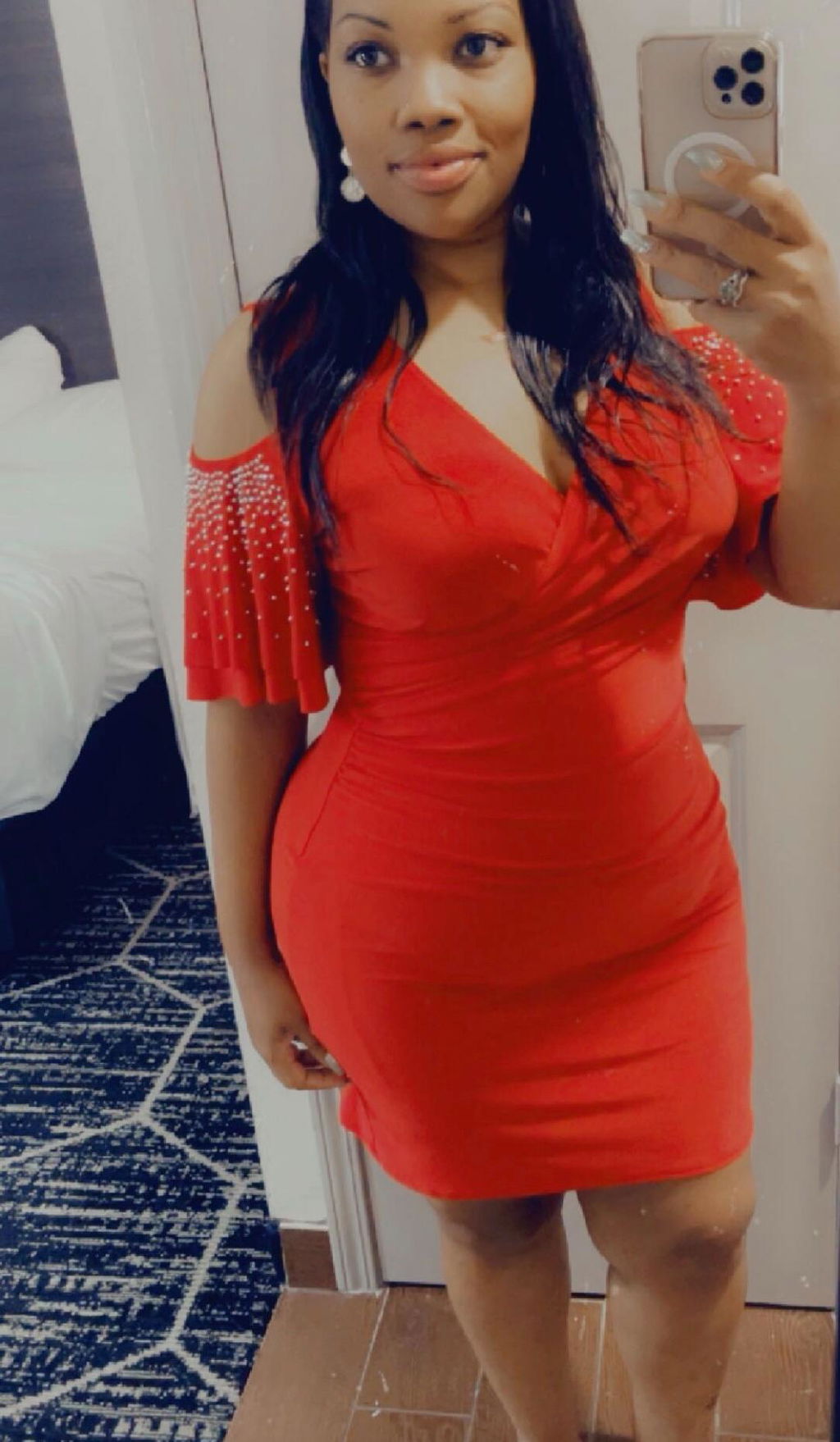
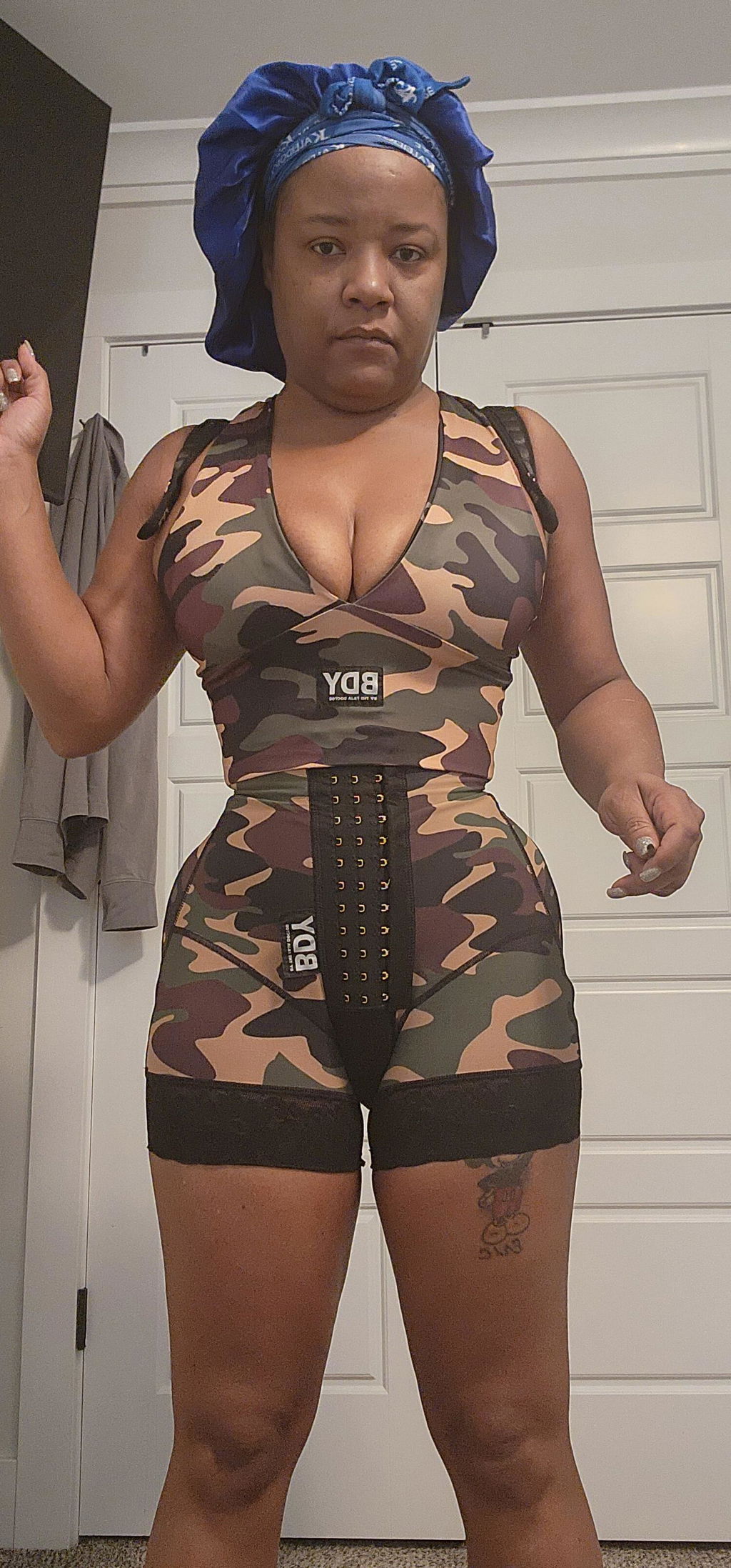
When she says FIRM… it’s no joke! I got the LARGEST SIZE and still had to get two extenders! Can you say BBL without surgery?! Until I can afford my mommy makeover this works so very well.
A
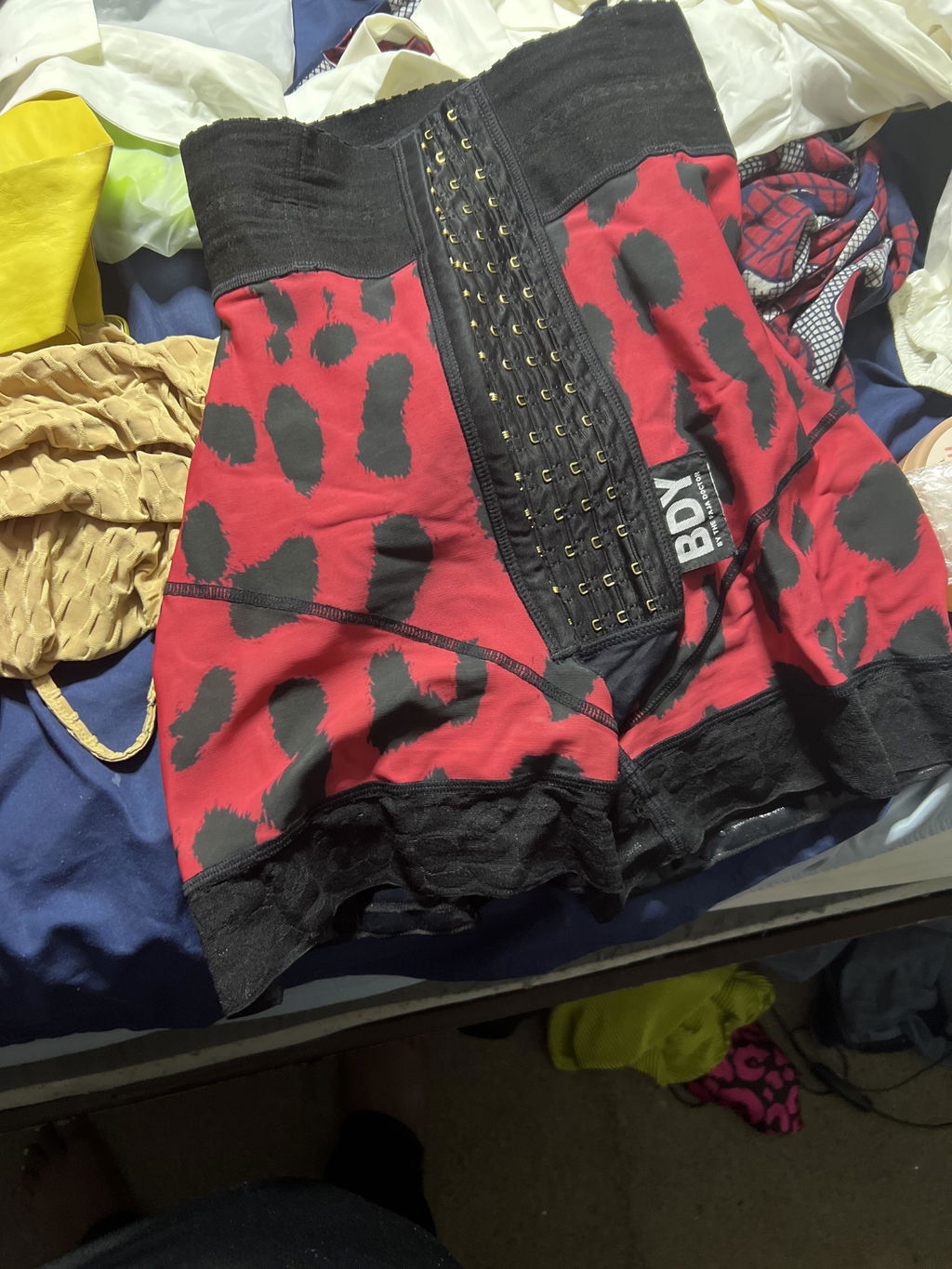
The BDY Fajas Stage 3 Faja Short Set is an absolute game-changer! The compression is firm yet comfortable, giving me the perfect sculpted look without feeling too tight or restrictive. The material is soft, breathable, and super durable, making it ideal for everyday wear.
I love that this faja smooths everything out while enhancing my natural curves. The short length is perfect for wearing under dresses and outfits without any lines showing, and the adjustable straps help ensure the perfect fit. Plus, the design makes it easy to use the restroom without hassle—such a thoughtful feature!
If you’re looking for a high-quality stage 3 faja that provides great support, comfort, and shaping, this one is definitely worth it. Highly recommend!
A
I love the shorts 😍 fast shipping grate quality however I went based on the size chart and I feel like I could have down sized 🥲 this is my first purchase i will try again maybe with a smaller size!
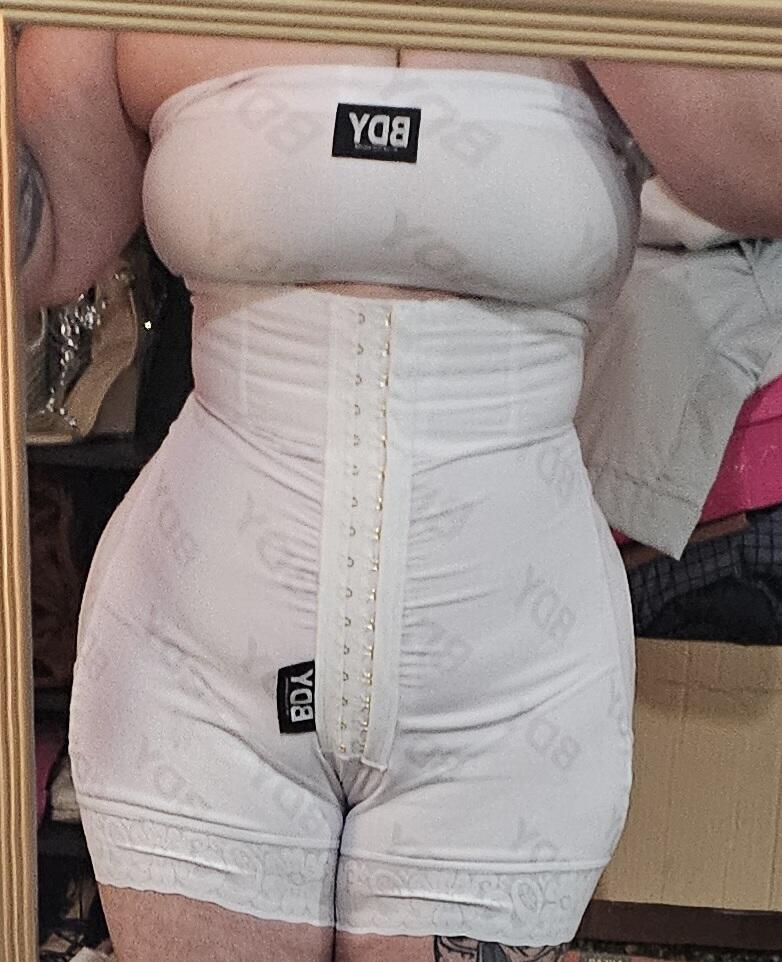
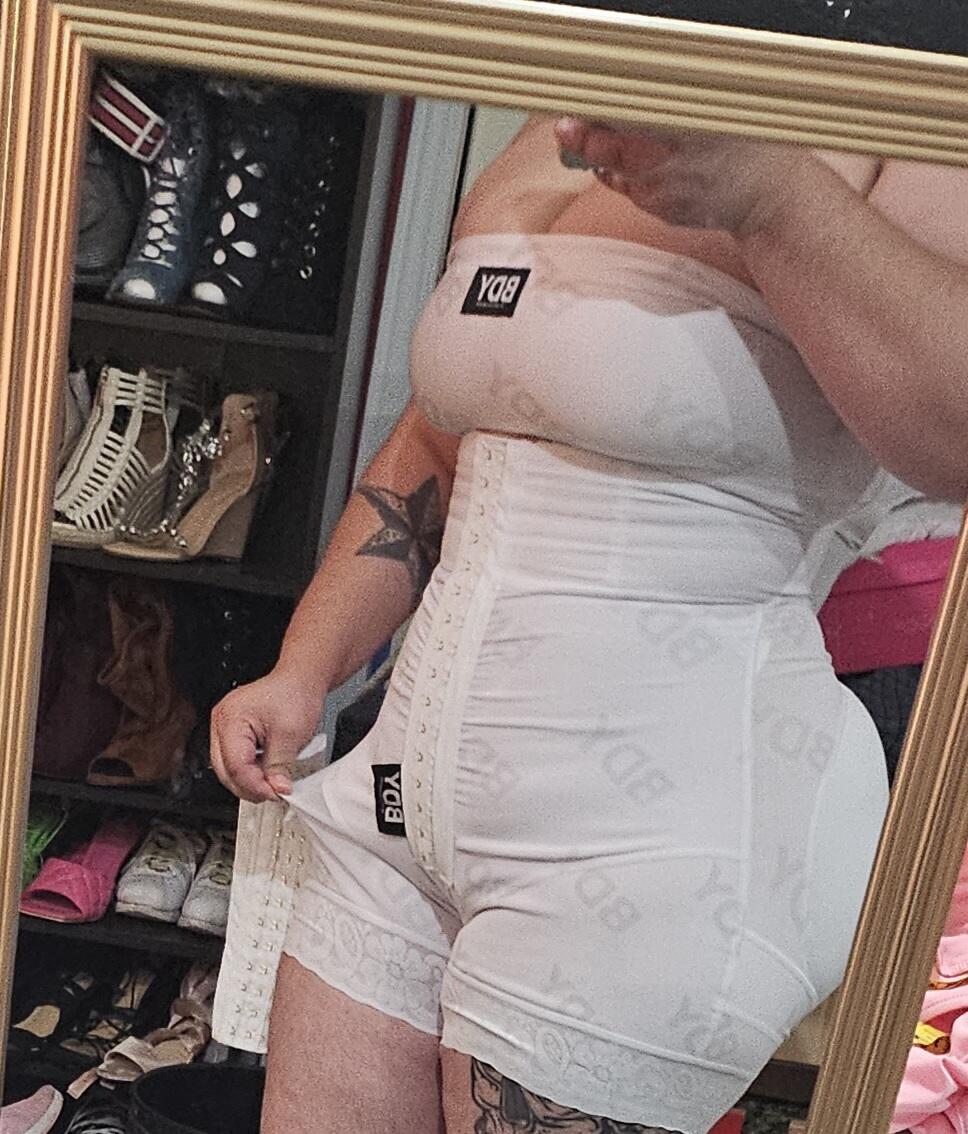
We are so glad to hear you love the shorts. Did you know you get 50% off faja alterations as a BDY customer to tighten them to your exact needs? We include this benefit as faja alterations are most times inevitable considering how much we shrink after surgery. You can go to thefajadoctor.com and use code BDY50. I recommend 'The Fupa Snatcher' alteration. And you can upload those photos :)
J
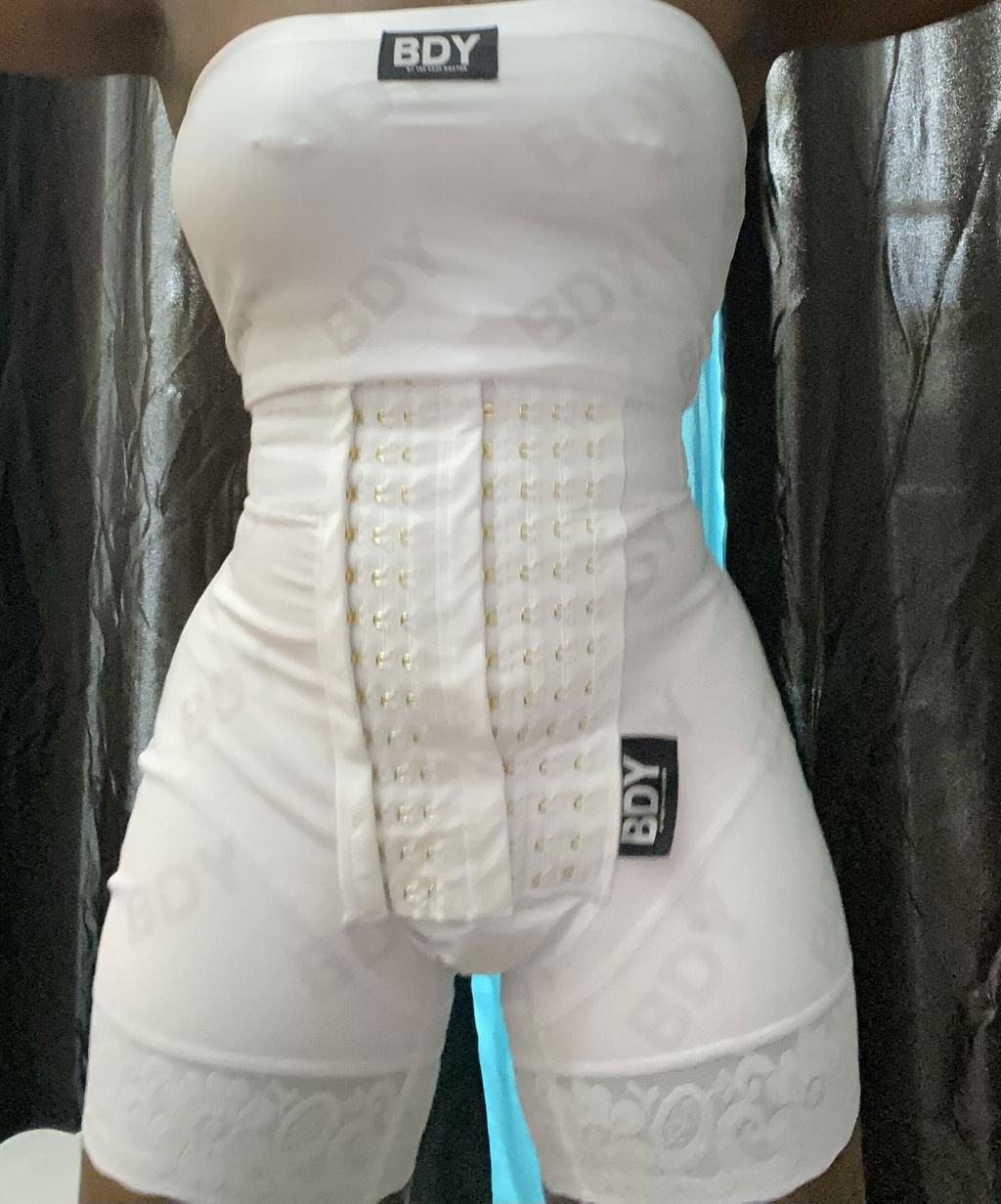
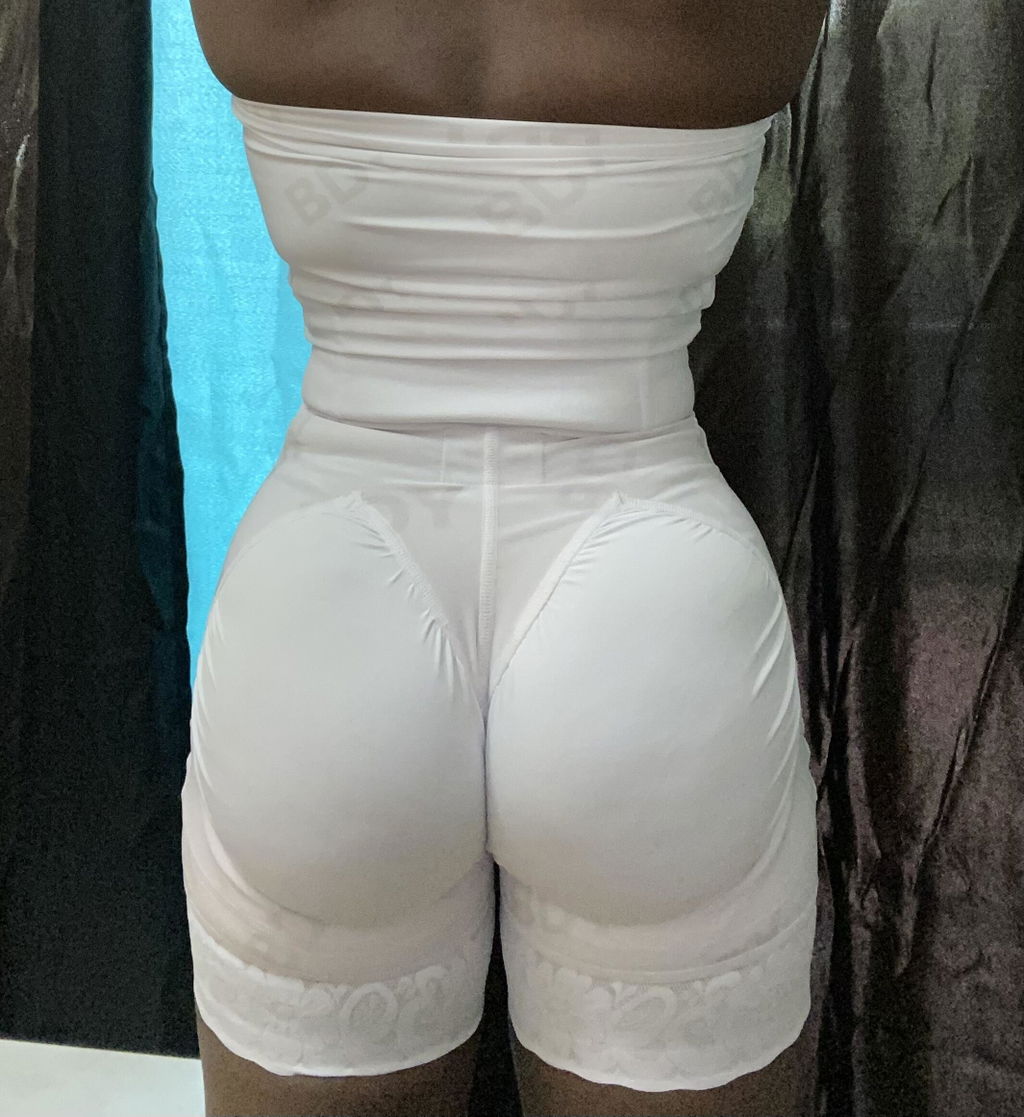
Fast shipping and the accurate as described this is my first purchase, but but I’ve had alterations to another faja before I will most likely get this one altered. This is a size small. I am 5”1 foot and 125 pounds.
L
After buying many different fajas in the past I’m soooo happy I finally found one that hugs my body in all the right places hunny I am all snatched up in all the right places. From the quality of the material to the designs on them you can tell everything was thought of when making these in so happy with all of my bdy faja purchases literally have just about all of them 🥰 I will continue to purchase more as they come out I love having different options to wear please don’t stop making them!! Purchase the faja girl you won’t be disappointed 😉


LISETTE :) Thank you so much for this sweet review. You look frikking amazing in every single BDY Faja I've ever seen you in. Thank you so much for your continued support. It means the world to us.
J
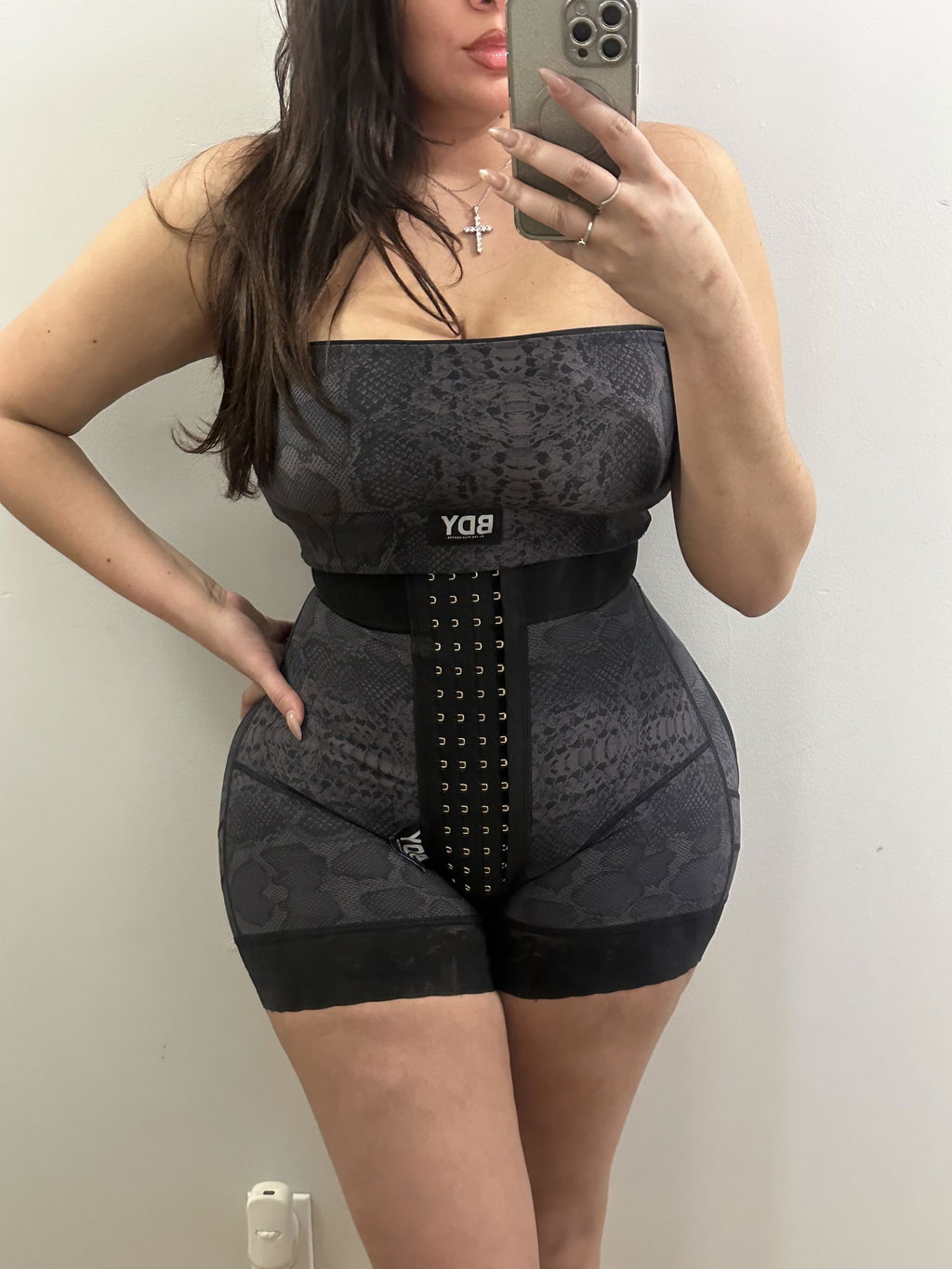
After purchasing many many MANY different fajas over the years and believe me when I tell you if the faja exists I probably owned it at some point and nothing truly worked, I never got the waist snatch without the belly poking out 😩 and if it compressed the belly I looked like a box! This faja fits so amazing and everything about it is COMFORTABLE and if you are going to wear a faja to work for 8 hours plus whatever long you’re going to be in the car it has to be COMFORTABLE!!! This faja has the support you need in all the right places and the crotch is actually open enough to not make mess trying to not make a mess, IYKYK! And if you already own a BDY faja you know the booty shaping is unmatched even with the shorts faja. I just wish I had ordered mine since the first shorts dropped!!
J
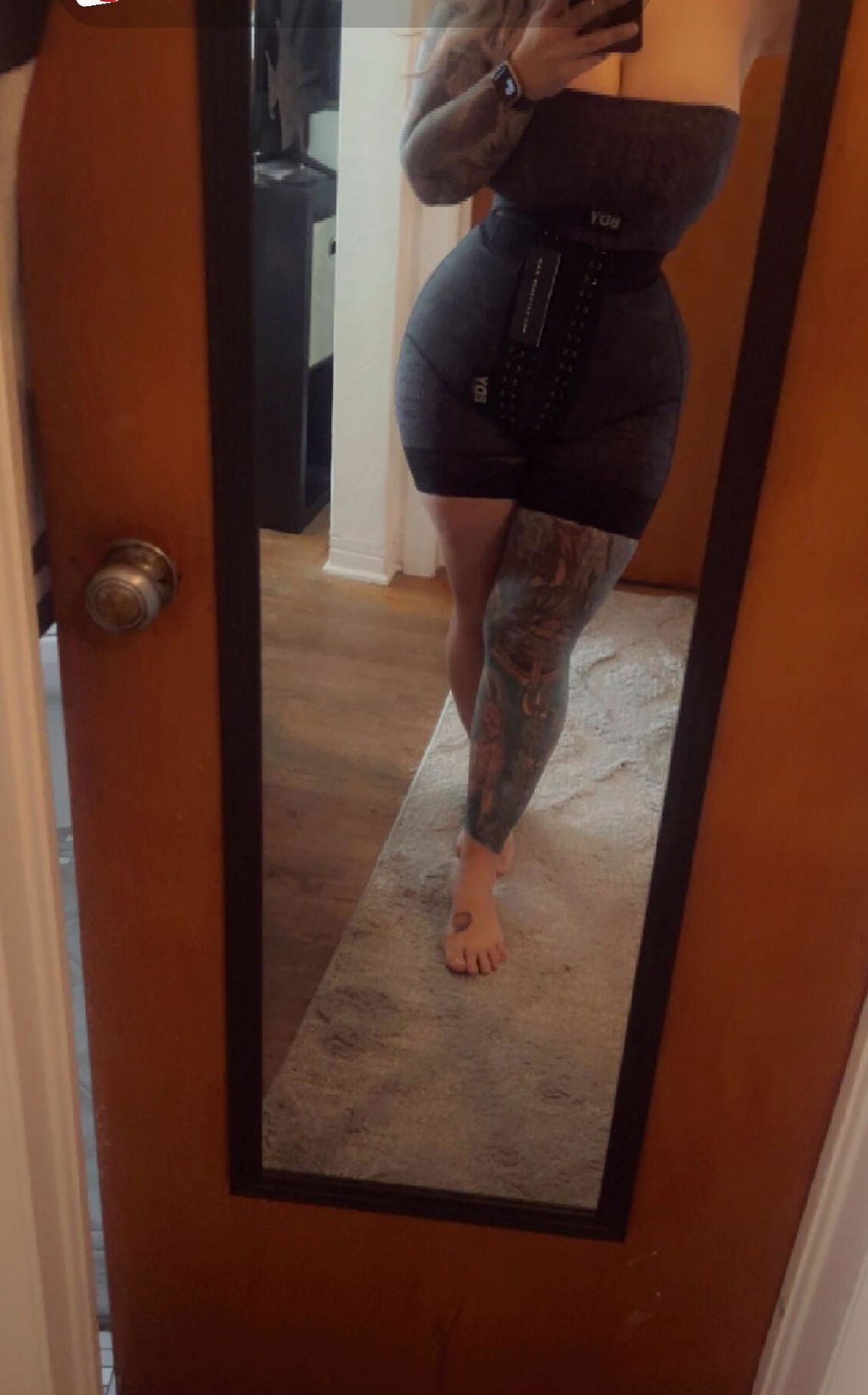
So where do I start. These are 100% the best fajas on the market. I’m on round 2 for surgery and I’m only wearing BDY fajas and the difference is night and day from other brands and my previous surgical recovery. I’m a convert and a loyal customer for life. Thank you BDY
S
They feel really nice. It's too cute. I'm in love
C
I absolutely love this product. The quality is so amazing. But for my height and short torso, I believe I would be more comfortable in a regular faja! I’m 5’2” so my shorts set don’t fit as well as the models and it cinches up a little too high so I can’t wear this comfortably all day but that’s my fault for not getting a regular one! I do wear it for several hours at a time and it’s very nice and tight unlike other fajas in the spots like low back and low tummy. Great compression and I love the customer service as well as the alterations too.
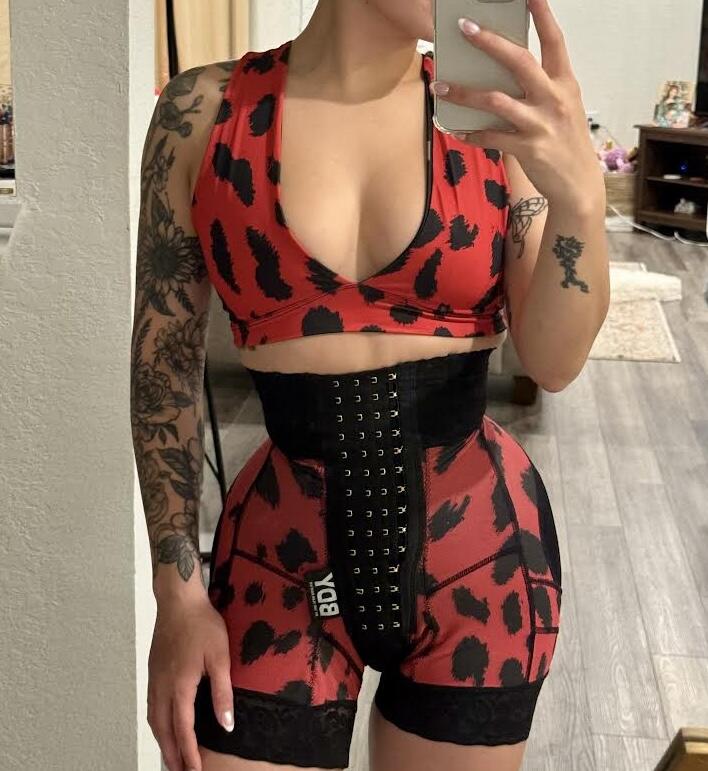
Thank you so much for your review, Connie :) The full Stage 2/3 faja works really well with short torsos and can be shortened even more through alterations. Would love to see you in one of those in the near future, too :)
A
The quality of this faja is really unmatched. I recently lost 140lbs after bariatric surgery, and I’ve been using fajas throughout my entire weight loss journey. I wear my fajas about 8-10 hrs a day since the compression helps me feel comfortable in the areas where all my skin didn’t quite snap back. I was looking for some shorts to wear at home while working remotely, and these were it! I love how the faja snatched me up at the waist immediately! After I broke it in, I’ve been able to comfortably wear it daily 7-8hrs daily. I don’t usually wear the bralette, but when I tried it on, it was comfortable, I do wish that there was more compression in the lower tummy area and that the shorts were a little longer since they roll up at times, and I need a lot of coverage in my thighs due to loose skin. I know that not everyone needs the same amount of coverage, but Diana, I’d love to see this knee length. I would buy immediately!!!! I also love the assistance with the sizing, I was recommended to buy a medium and I am glad I did, because it was perfect. I love that this faja can be used before and after plastic surgery, going to be using your brand after my TT & BBL procedure. Thank you for making these Diana!
(For reference, I am 5’4 and 135lbs, waist 30, hips 43)
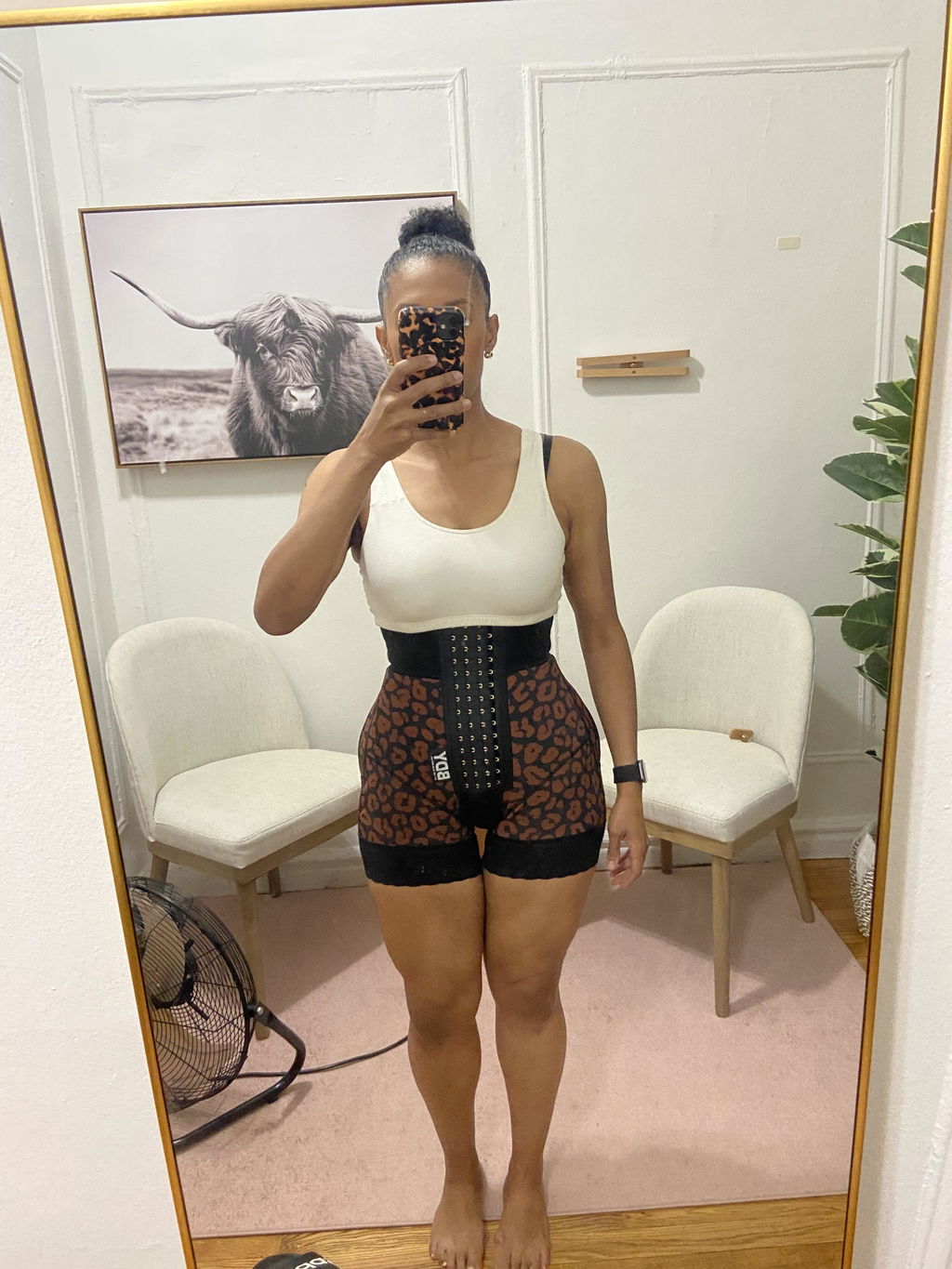
Wow!! You look amazing! Congratulations on your journey! Thank you for this amazing review. We love hearing all your feedback so we know how to make it even better in the future.
J
By far my favorite print! Best stage 3 faja.
I use the stage 3 at about 1year post op (you can start to use at 8mos not before it has too much compression).
No sliding, feels amazing, SO CUTE & also at any time you can any faja altered (if they have a bigger size contact the email & get the alteration before its sent out).
I love the little bralette it comes with, it leaves NO MARKS on the skin after lipo!!!
Also these faja’s have no uni-butt wgich I LOVE!
Your butt is in its iwn little pocket, no rubbing and very comfortable!!!!!
If yiur size is available I suggest to order it right away!!!!
M
I purchased the white 2 piece set. I love that the top is strapless so I can wear it with dresses. Waiting on my wedding day to wear it under 🤍 but I love this. You will not regret purchasing a BDY Faja.
E
I bought these because I have a nerve problem in my shoulder and cant do the straps. This faja snatched TF out of you. I am so darn tiny in it and my butt sits up just right! I have a long torso and it fits perfectly
T
One of my fa favorite post op garments! BDY faja material and construction can’t be beat. Make sure you ladies SHOP. 💕
A
I give 5 stars every time because I LOVE this brand. My only complaint is that I have a long torso, so the faja is ever so slightly too short on me but I make it work. Otherwise, I love it.
O
Five star review here. This stage 3 faja in white is perfect under that wedding dress or for any other occasion. It accentuates your curves whether you have had surgery or not. It is a MUST have piece in your wardrobe.
K
I bought these shorts to be able to have some versatility in my outfits during the summer. I tried the faja shorts on and immediately felt what I had been missing from my regular faja (not purchased from BDY). I immediately ordered a mid-thigh faja from BDY because the shorts were just that good. You can’t go wrong with this brand! - 1 month post op lipo 360
E
Send me the wrong color
C
This is such high quality! I love to wear under dresses when going out and to work. And I’m still Able to move and dance while I’m out! The Brown/black definitely blends under any clothing, I’ve never had to worry about the pattern being seen.
I purchased an XL and I’m 215lbs curvy girl.
S
Love the mamba makes me look Like a mambacita
J
This is 100% top quality Faja ! Unlike any thing I purchased from Amazon. It snatched you like no other but you have to break it in it’s quite tight as first so grateful for the extender! Personally I can’t wear it with rods and be comfortable so i took them out but I bought it for those outfits you can’t wear regular full body Faja with & it’s perfect
T
I'm absolutely in love with my faja shorts! Perfectly made! You'll love them! The measurements are right on point! I'll be ordering more fajas! Extra **** with great support ❤️
V
Seriously makes my waist itty bitty and I look like I had a bbl without lol. I have a short waist and this goes pretty high on my back. No rolls. Love it and it’s so cute!!
K
Love the fabric of these fajas! That was my biggest issue during my recovery is being sensitive to the fabric and finding just discomfort. I think had these been available during my recovery I would have had a much more comfortable experience.
Recommended
You might want to take a closer look.